Elon Musk Accelerates AI Power with Gas Turbines Amid Backlash
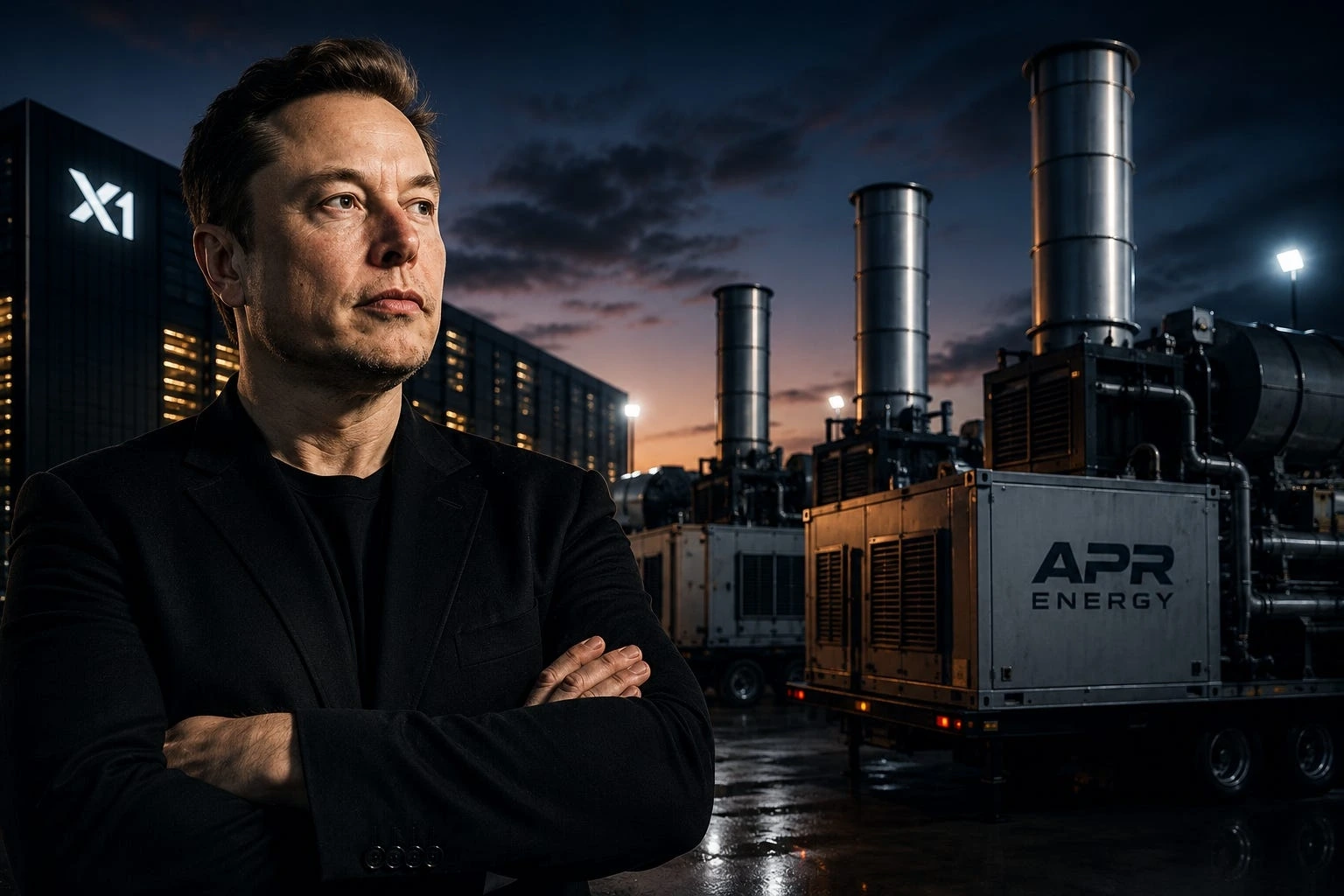
Elon Musk is bypassing traditional energy supply chains by using SpaceX foundries to manufacture natural gas turbine components for his xAI data centers. This aggressive move accelerates turbine deployment by 18 months to power massive supercomputers. But it has triggered intense federal pushback and local lawsuits over illegal emissions.
Why SpaceX is building power infrastructure
I have observed that most tech giants wait years for grid approvals. Musk refuses to wait. SpaceX is now casting the specific blades and vanes needed for natural gas turbines directly in house.
This cuts standard industry lead times by a massive margin. Bringing heavy power online usually takes two years. xAI expects to slash that wait by 18 months.
Honestly, most people get this wrong by thinking AI companies only buy standard servers. The reality is they are becoming standalone utility companies. Musk views natural gas as the only viable bridge to keep his Grok AI assistant training while solar capacity catches up.
The physical cost of supercomputing
The Colossus cluster in Memphis currently relies on an array of 60 to 70 roaring gas turbines. They run nonstop.
Local residents describe the noise as a constant physical vibration rather than just a sound. The low frequency hum penetrates homes entirely. It completely disrupts daily life across both Memphis and Southaven.
And the environmental toll runs much deeper than noise. Methane gas turbines pump out nitrogen oxides at a staggering rate. The NAACP and the Southern Environmental Law Center recently filed lawsuits targeting these toxic emissions.
They argue xAI operates these machines at the direct expense of historically Black communities. It points to a growing trend similar to what we see with Amazon’s massive data centers across the country.
The EPA closes the loophole
Regulators finally stepped in this January. The EPA ruled that xAI operated its temporary gas facilities illegally.
The company bypassed mandatory Clean Air Act permits using a temporary equipment loophole. The government completely shut that loophole down. Now the company faces intense federal scrutiny over its unregulated localized power grids.
You cannot just drop dozens of jet engines into a residential zone without consequences. The legal battles will likely shape how all major tech firms power their massive server farms moving forward.