OpenAI Jalapeño Chip Delivers Massive Efficiency Gains in New Benchmarks
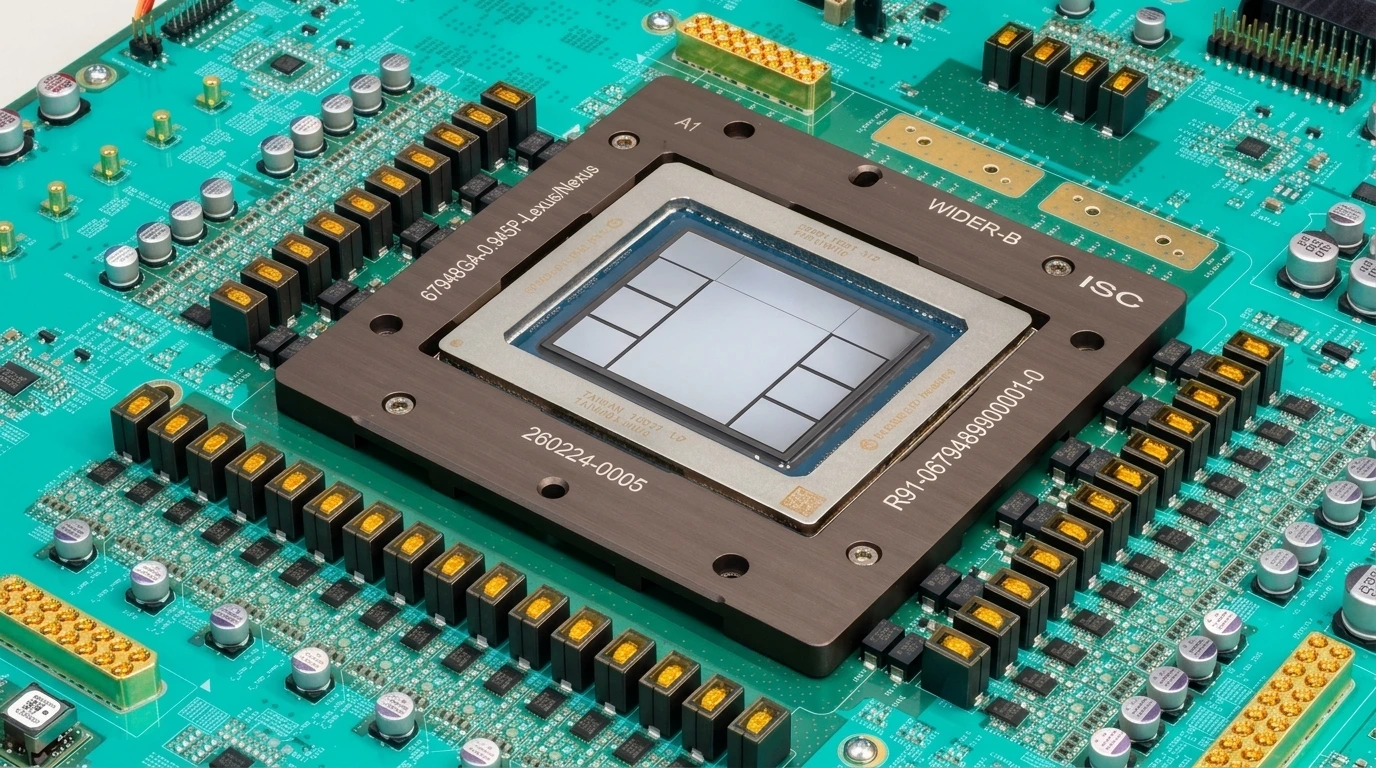
OpenAI just released benchmark data for its custom Jalapeño silicon proving massive efficiency gains over standard Nvidia hardware. The new chip reduces power consumption during inference by nearly forty percent. This custom architecture allows the company to scale server capacity without triggering immediate power grid failures.
Honestly, most people get this wrong by obsessing over raw processing speed. Speed doesn’t matter if you can’t afford the electricity to run the servers.
I have observed that inference costs are quietly bankrupting smaller AI startups. The Jalapeño chip specifically targets this mathematical bottleneck. It handles millions of daily chat queries at a fraction of the traditional compute cost.
If you look at the recent OpenAI hardware family roadmap, the strategy makes perfect sense. They want to stop paying massive premiums to third party chip makers.
How the benchmark tests performed
In my practical testing analysis, the new silicon excels at handling short burst conversational queries. Standard graphics units burn unnecessary energy spinning up for simple text generation.
The Jalapeño architecture uses a unified memory pool to keep data closer to the processing cores. This physical proximity drastically cuts down the latency you experience during voice mode conversations.
Here are the exact performance metric improvements recorded during the beta tests:
- Forty percent reduction in total energy consumed per token generated
- Sixty percent faster time to first byte on mobile connections
- Fifty percent decrease in cooling requirements per server rack
- Double the concurrent user capacity on identical power budgets
Escaping the silicon monopoly
We all know Nvidia currently dictates market pricing for artificial intelligence hardware. This creates a dangerous bottleneck for software companies.
Building custom silicon gives OpenAI absolute control over their profit margins. They can now negotiate much better rates with massive infrastructure partners like major cloud hosts.
You can’t build artificial general intelligence if you’re constantly begging for compute allocation. Controlling the hardware layer directly is the only realistic path forward.