

Speakeasy
✓ VerifiedSDK generation platform that turns an OpenAPI spec into typed, published client libraries in ten languages.
Best For: API providers that want polished, always-current SDKs without maintaining them by hand
Speakeasy Quick Facts
| Founded | 2022 |
| Free Plan | Yes, one SDK on the free tier |
| Top Feature | Typed SDK generation in ten languages from a single OpenAPI spec |
| Main Limitation | Hosted paid pricing is no longer published, so budgeting starts with a sales call |
| Company Background | Speakeasy was founded in 2022 and is headquartered in San Francisco. The company raised fifteen million dollars in Series A funding in October 2024 and counts Vercel, Clerk and Kong among the customers named on its own pages. In September 2026, in partnership with Google, it open-sourced its client generator under the AGPL licence, and it now also sells an AI control plane for agent traffic alongside the SDK platform. |
The Verdict: Speakeasy
Speakeasy is the right buy when SDK quality decides whether developers adopt your API: typed libraries in ten languages, maintained automatically from one spec. Go in knowing the price is a conversation, not a checkout page, and the free tier is the way to judge the output first.
What is Speakeasy?
Speakeasy is an SDK generation platform: feed it an OpenAPI spec and it produces typed, published client libraries in ten languages, then keeps them current every time the spec changes. In our roundup of the best AI API design tools it holds the specialist slot, because no general design tool on the list treats SDKs as the main event.
The workflow is repo native. Your spec never moves into a vendor editor. The CLI validates and cleans the spec, generates the libraries, and opens pull requests your team reviews like any other code change. Teams coming from a docs-first tool such as Redocly will notice the difference in focus: Redocly publishes the portal your developers read, Speakeasy publishes the code they import.
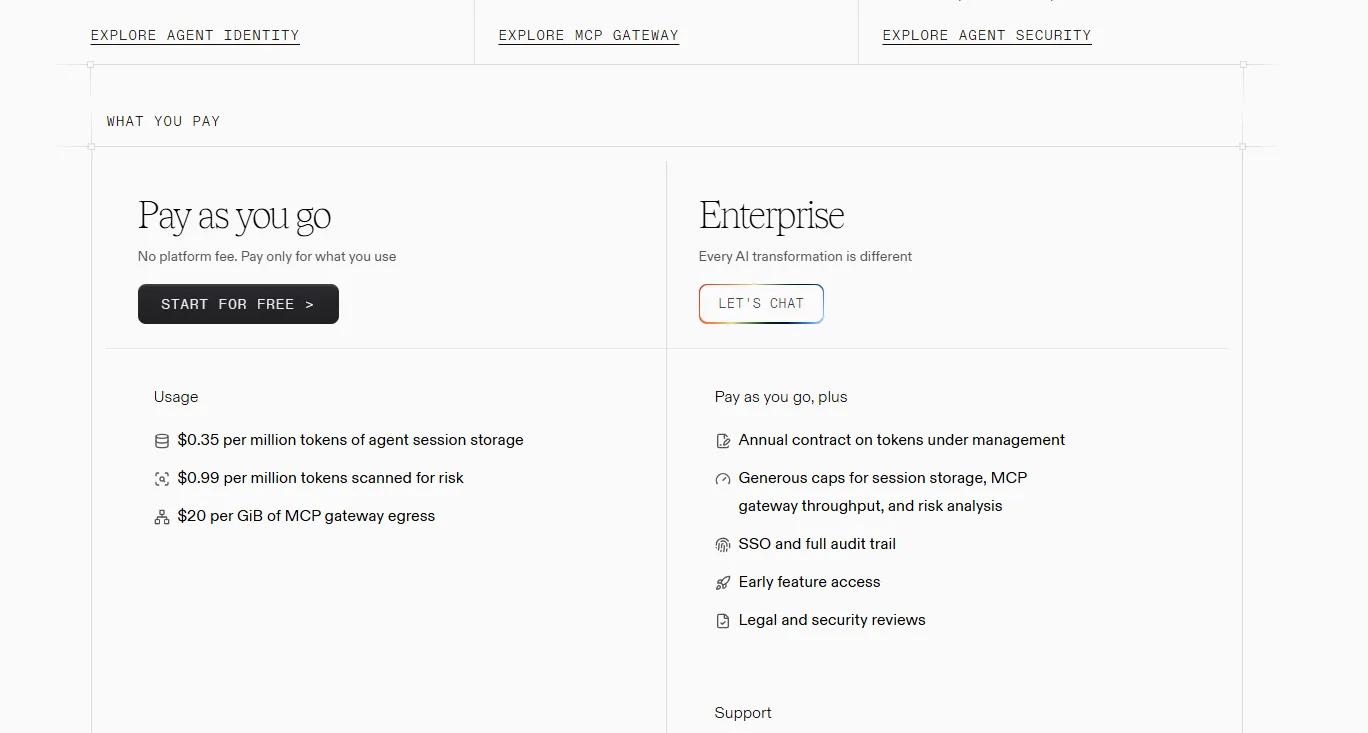
Two honest caveats belong in any current review. The pricing page that once listed self-serve tiers now covers a different product, and hosted SDK plans are quoted as tailored enterprise deals, so there is no public figure to budget against. And the generator's move to an AGPL open-source licence in September 2026 is good news for auditability, but legal teams at larger companies will want to read the terms before they build on it.
Who is Speakeasy Best For?
API providers that want polished, always-current SDKs without maintaining them by hand
Speakeasy Key Features
Top Benefits of Speakeasy
How to Use Speakeasy
- Point the Speakeasy CLI at your OpenAPI spec from your repo or CI pipeline
- Run the validation and cleanup pass and fix what it flags in the spec
- Choose your target languages and generate the SDKs
- Review the generated pull requests and publish to your package registries
- Keep the workflow in CI so every spec change ships updated SDKs
Where Speakeasy Fits: Use Cases
- API platforms that promise SDKs in several languages
- Developer experience teams judged on time to first call
- Companies retiring hand-maintained client libraries
- Terraform provider teams publishing from an API spec
Speakeasy Pricing & Plans
Speakeasy Review Summary
| Performance Score | A |
| Content Quality | Generated SDKs are typed, idiomatic and documented like hand-written libraries |
| Interface | CLI and GitHub Action first, with a web dashboard for workflows and usage |
| AI Technology | Spec cleanup and validation that fixes common OpenAPI problems before generation |
| Purpose | A publishing pipeline that turns one spec into maintained SDKs in ten languages |
| Compatibility | OpenAPI specs in any repo, CLI for Mac, Windows and Linux, GitHub Actions |
| Pricing Summary | Speakeasy's free tier covers one SDK, its hosted paid plans are now sold as tailored enterprise deals with no published price, and the generator itself is open source under the AGPL licence. |
Speakeasy Pros & Cons
✅ Pros
- Best-in-class SDK output quality across ten languages
- Spec stays in your repo under your control
- Free tier covers a real production SDK
- Generator is open source and auditable
- Runs in CI, including air-gapped environments
❌ Cons
- No published self-serve price for hosted paid plans
- It generates SDKs only, with no design editor or docs portal
- The AGPL terms on the open-source generator need a licence review for some companies
- Free tier is limited to one SDK
Alternatives to Speakeasy
Redocly - Docs portals first, with SDK generation included on its Scale plan.
Postman - The all-round platform when design and testing matter more than SDK output.
Apidog - Design, testing and docs in one app for small teams.
Swagger - Hosted SwaggerHub governance for teams standardising on Swagger tooling.
FAQs
What does Speakeasy actually do?
▼Is Speakeasy free?
▼How much do paid plans cost?
▼Which languages are supported?
▼Does my spec have to move to Speakeasy's cloud?
▼Can Speakeasy build an MCP server from my API?
▼More AI Tools You Might Like

Postman is the world's leading API platform for designing, testing, documenting, and…
View Tool ↗
API design and documentation platform built around the OpenAPI Specification for fast…
View Tool ↗
API hub where developers find, test, connect to and publish APIs with…
View Tool ↗
Open source API client that stores collections as plain text files in…
View Tool ↗
API design and documentation platform for OpenAPI, style guides, governance and team…
View Tool ↗
Google Cloud API management platform for securing, managing, monitoring and scaling APIs.
View Tool ↗
API client for testing REST, GraphQL, gRPC, SOAP, WebSocket, SSE and MCP…
View Tool ↗
All-in-one API platform that puts design, debugging, testing, mocking and documentation in…
View Tool ↗