What Are Foundation Models in AI? Complete Guide
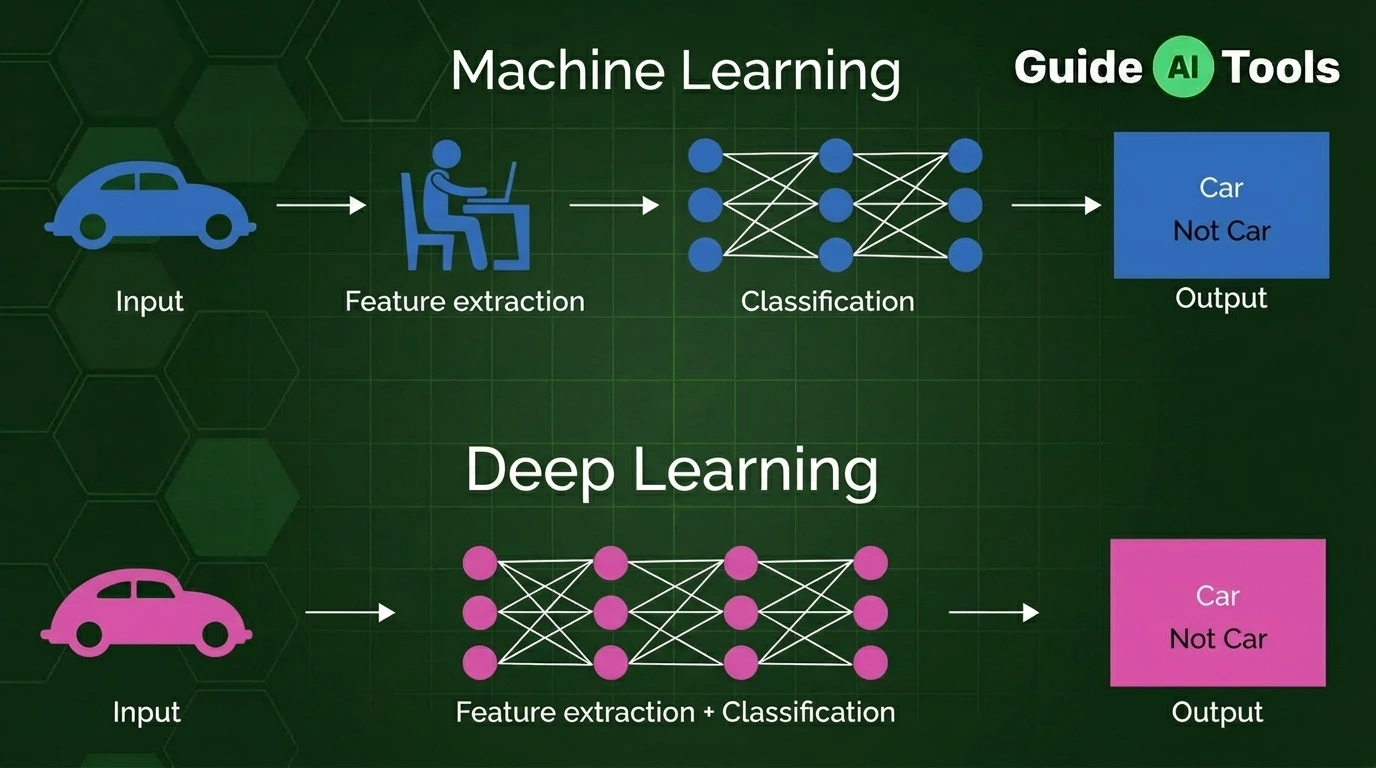
Before foundation models arrived, building an AI system meant training a separate neural network for every single task from scratch.
Today, a single pre-trained base model can analyze contracts, generate graphic art, write code, and answer customer support tickets with minor instruction tuning.
That consolidation represents the biggest structural shift in software engineering history.
In my testing across enterprise AI stacks, I’ve noticed that teams often confuse these base networks with basic text chatbots. But the reality goes much deeper than text generation.
What Are Foundation Models? The Short Answer
Foundation models are large artificial intelligence models trained on vast, broad datasets using self-supervised learning at scale. Unlike traditional single-purpose AI models built for one specific task, a foundation model acts as a flexible base that developers can adapt to hundreds of downstream applications through fine-tuning, prompting, or retrieval systems.
Think of a base model as a generalist engine fresh off an assembly line. It learns broad structural representations across billions of parameters during training.
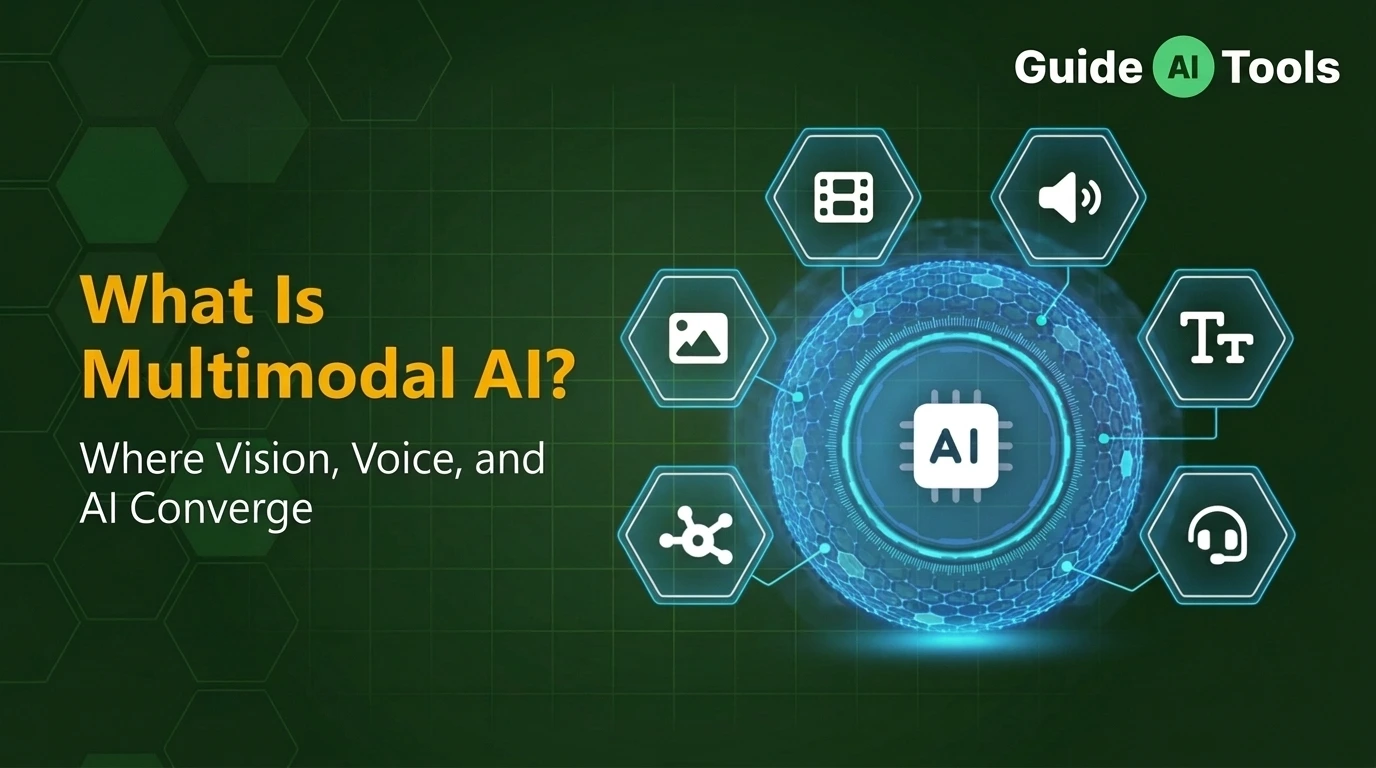
To see how these base architectures generate new media across different modalities, explore our overview on what is generative ai for structural context.
Once that base training finishes, developers do not need to retrain the network from scratch. They simply attach specialized instructions or domain data to adapt the model for specific tasks.
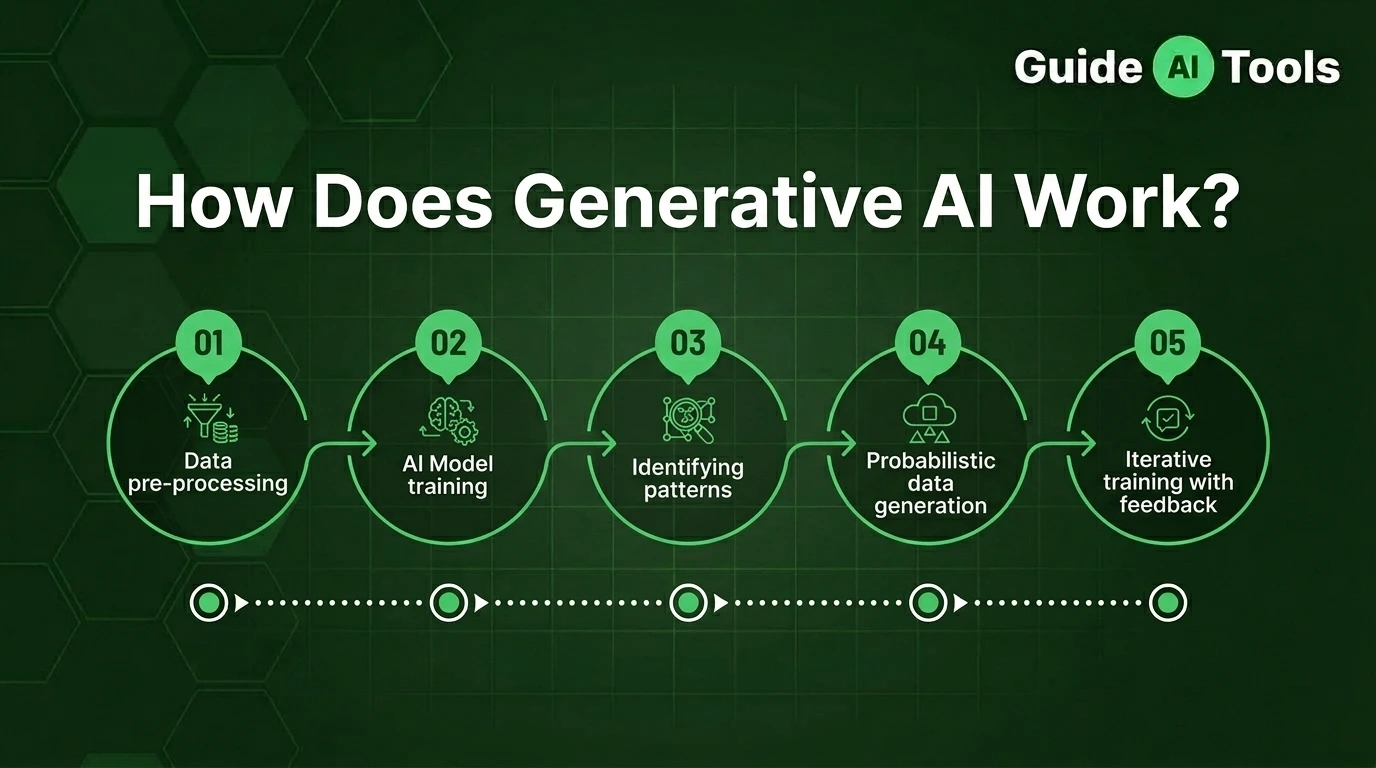
If you want to review how these models sample probabilities to produce outputs, read our guide on how does generative ai work on GuideAITools.
Foundation models act as adaptable base engines that power hundreds of specialized downstream applications without requiring full model retraining.
Why Stanford Coined the Term Foundation Model
Back in 2021, a team of researchers at the Stanford Center for Research on Foundation Models (CRFM)
realized that the AI research community lacked a clear name for this new class of base models.
Before this shift, software engineers built narrow systems. You trained one model for language translation, another for sentiment analysis, and a third for image recognition.
The Stanford team introduced the term to emphasize two core structural pillars.
First is homogenization. Instead of using dozens of distinct algorithm designs across different software projects, a single base model architecture powers hundreds of varied downstream applications.
Second is emergence. As you scale model parameters and training data volume, unexpected capabilities appear automatically without explicit programming.
A base model trained on raw text might suddenly learn basic computer programming, symbolic logic, or translation without explicit human instruction.
Honestly, most teams mess this up by treating these emergent abilities as reliable factual knowledge. They are emergent statistical patterns, not guaranteed factual databases.
How Foundation Models Work: Pretraining to Adaptation
Building and deploying a base model follows a distinct four-tier lifecycle that moves from raw data ingestion to narrow task specialization.
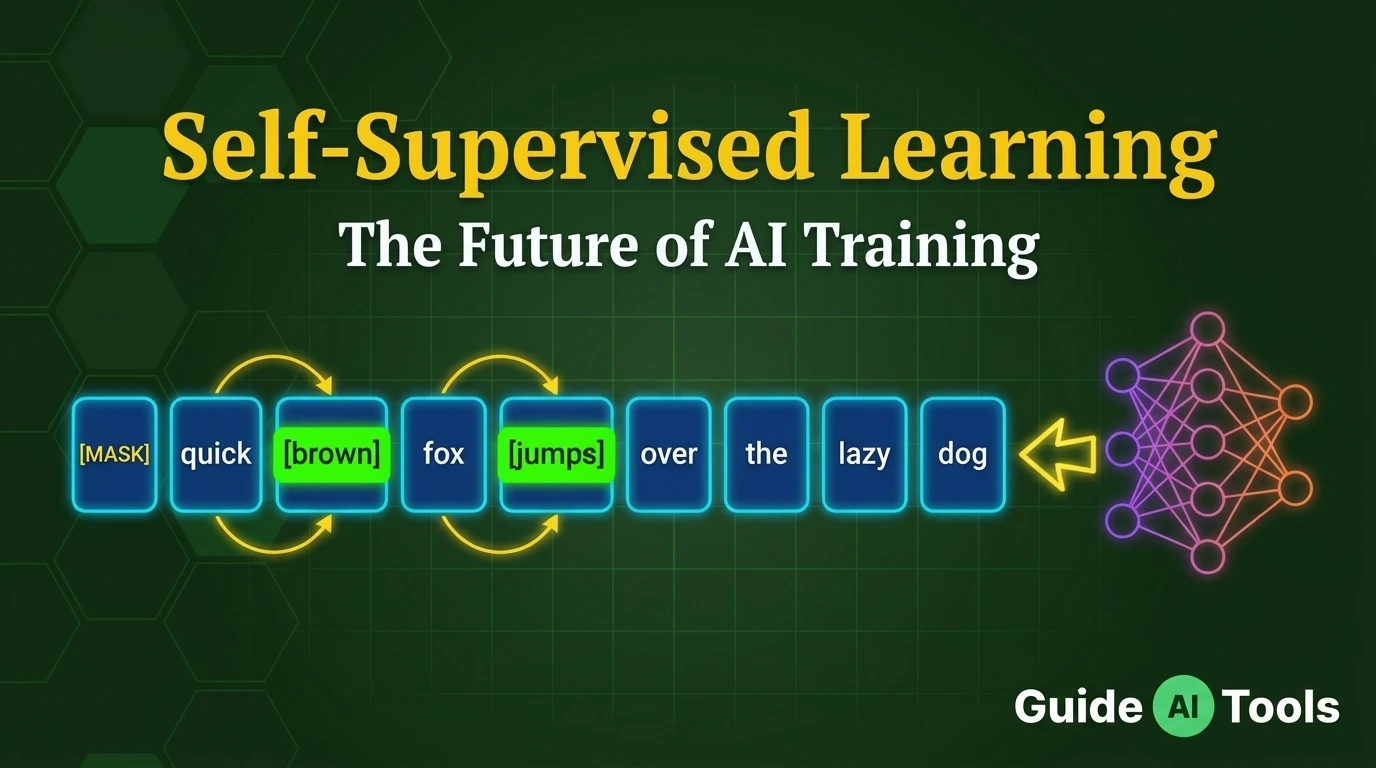
- Unsupervised pretraining processes web-scale collections of text, code, images, or audio. The network learns underlying structural patterns by predicting missing pieces of data.
- To understand how models learn patterns without manual human tagging, check our breakdown on what is self-supervised learning to examine data ingestion mechanisms.
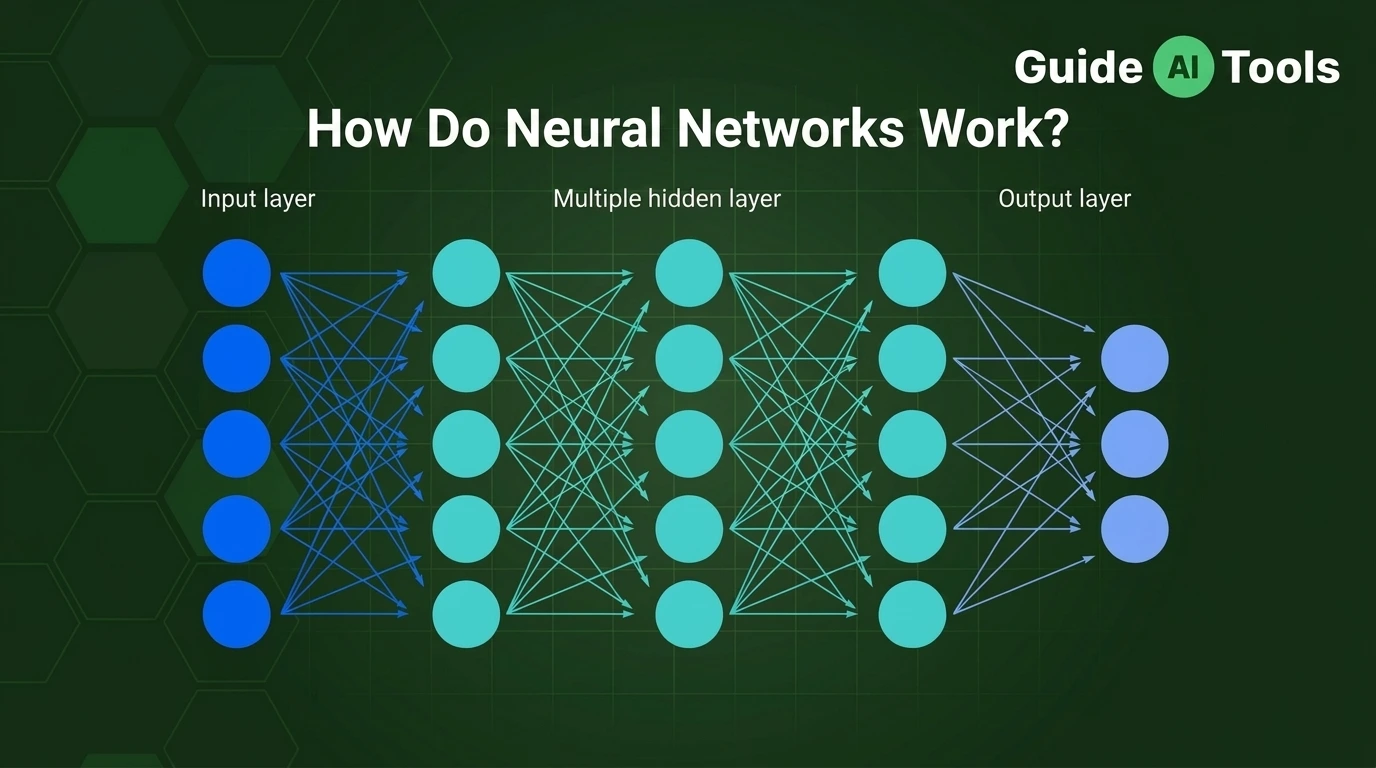
- Emergent representation building happens across hidden neural layers. The network creates multi-dimensional vector maps that represent real-world concepts, logical relationships, and grammar rules.
- If you want to see how stacked node layers compute these mathematical representations, read our technical breakdown on how do neural networks work for deep execution details.
- Instruction tuning and human alignment refine the raw prediction engine. Techniques like Reinforcement Learning from Human Feedback (RLHF) teach base models to follow user prompts safely and directly.
- Downstream task deployment adapts the aligned base engine to specific industry tools, legal document analyzers, or medical assistants.
Look at the compute trade-off here. Pretraining requires thousands of GPU clusters running for months at a cost of millions of dollars.
Adapting that pre-trained engine for a custom business task takes only a few hours on a basic workstation.
Foundation Models vs Large Language Models (LLMs)
People frequently use these two terms as if they mean the exact same thing. They do not.
The simplest way to think about it is nested scope. All large language models are foundation models, but not every foundation model is a language model.
Foundation models represent the broad umbrella category covering all general-purpose base architectures regardless of input type.
Large language models sit inside that umbrella as a specific sub-category focused purely on processing and generating text.
To explore text-focused architectures specifically, read our guide on what are large language models to examine natural language processing scaling.
Vision models like Stable Diffusion, speech networks like Whisper, and biological architectures like AlphaFold are foundation models, but none of them are LLMs.
| Comparison Factor | Foundation Models (Umbrella Category) | Large Language Models (Sub-Category) |
| Scope & Modality | Multimodal (Text, Images, Audio, Video, Code, Protein Structures) | Unimodal or Primary Focus on Text Processing |
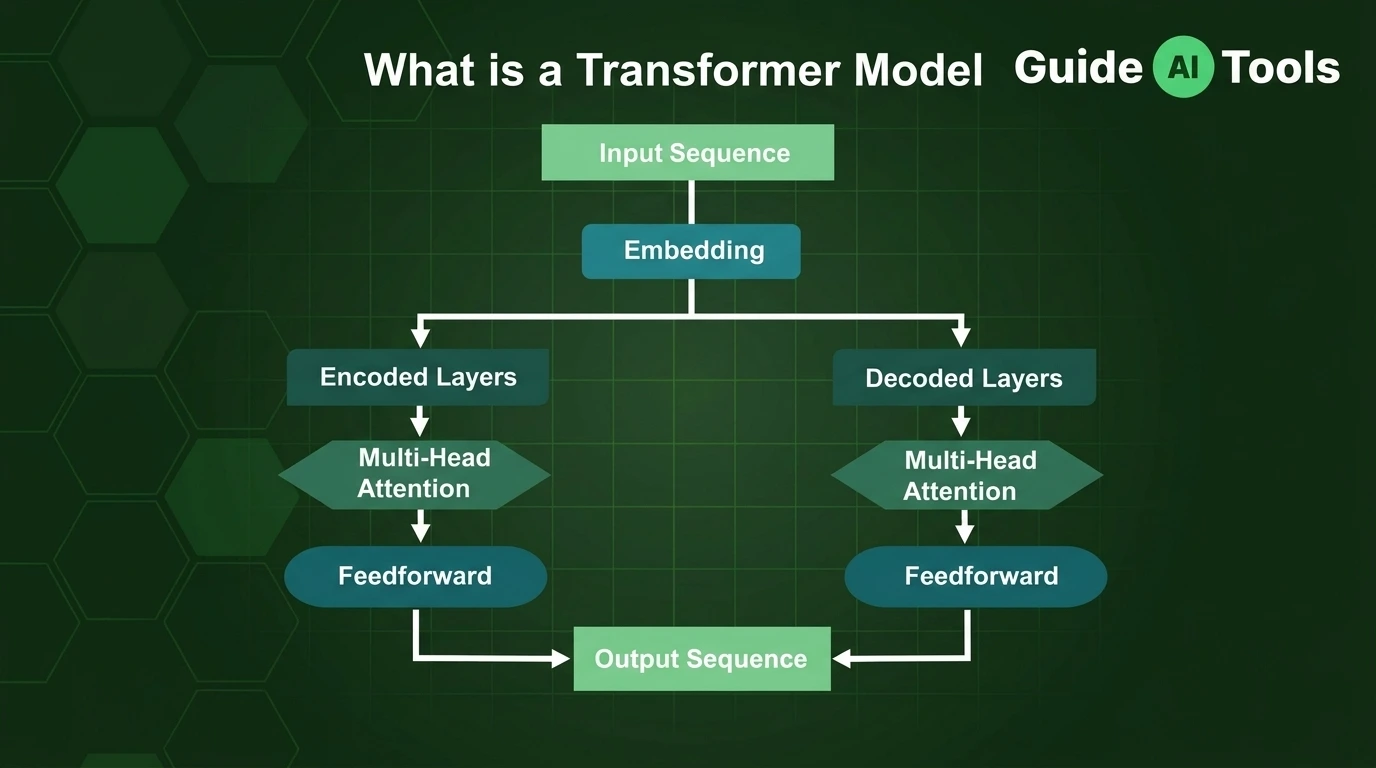
| Core Architecture | Transformers, Diffusion, Variational Autoencoders, State Space Models | Transformer Decoders or Encoder-Decoder Networks |
| Primary Output | Synthesized images, speech, structured predictions, text, robot actions | Next-token text completion, conversational dialogue, code |
| Key Examples | GPT-4o, Stable Diffusion, Whisper, AlphaFold, CLIP, Llama 3 | Llama 3 Text, Claude 3 Sonnet, Mistral 7B, GPT-3.5 |
| Adaptation Method | Fine-tuning, ControlNet, LoRA, Prompt Engineering | System prompts, Fine-tuning, RAG, In-Context Learning |
Foundation models include vision, speech, and biology networks, while LLMs focus exclusively on text processing.
Major Categories and Examples of Foundation Models
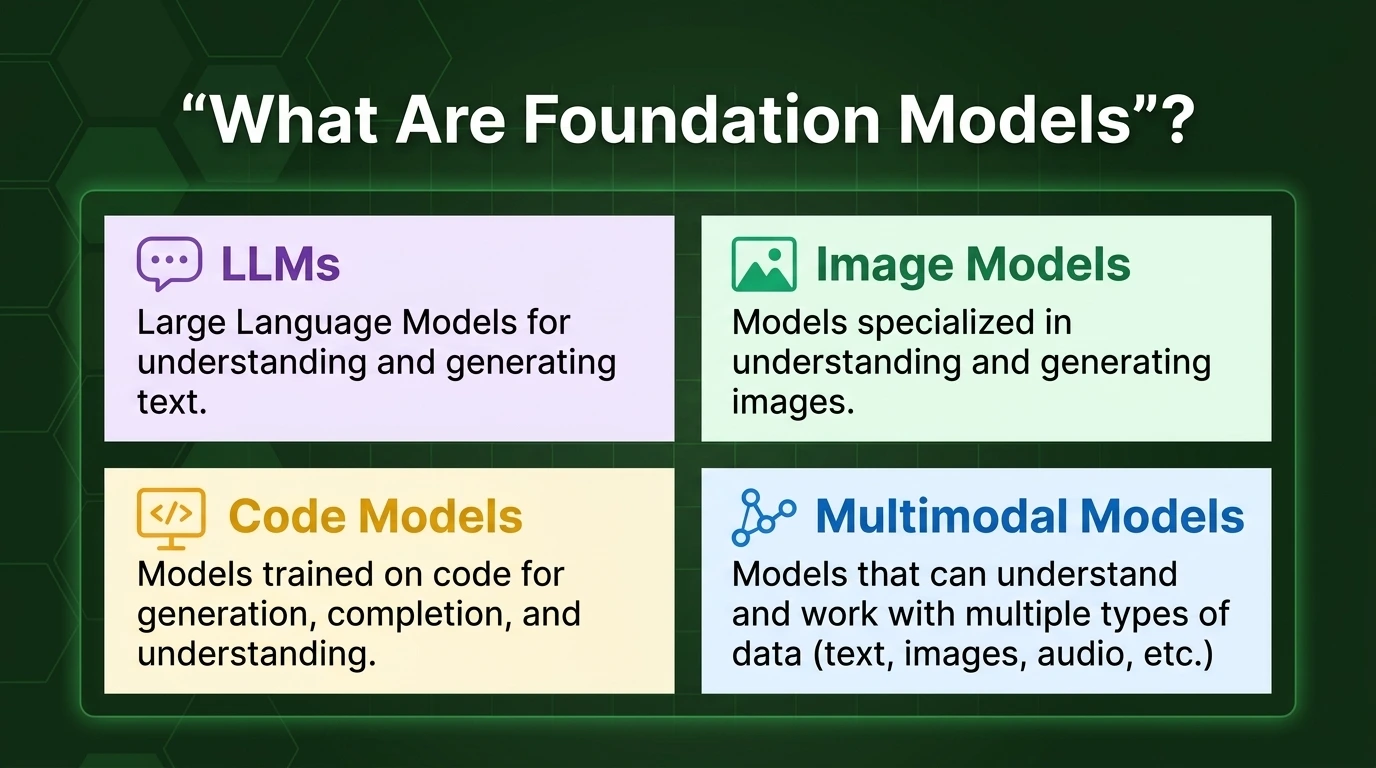
Base model architectures span several media types and industry applications.
Text foundation models process written language, code, and structured data. Systems like Llama 3, Claude 3.5, and GPT-4 handle document analysis, logical reasoning, and complex language translation.
Vision foundation models focus on visual data. Architectures like Latent Diffusion and Vision Transformers power image generation tools like FLUX.1, Midjourney, and Stable Diffusion.
Multimodal foundation models process multiple sensory inputs simultaneously inside a unified vector space. GPT-4o, Gemini 1.5 Pro, and Qwen-2-VL process text passages, visual diagrams, and audio clips together.
Audio and speech foundation models handle sound synthesis and recognition. OpenAI’s Whisper converts noisy spoken dialogue into text, while ElevenLabs synthesizes realistic human voice patterns.
Scientific and code foundation models solve technical problems. AlphaFold 3 predicts complex 3D protein structures, while StarCoder accelerates software engineering tasks.
| Model Category | Primary Foundation Models | Dominant Architectures | Typical Downstream Applications |
| Text Processing | Llama 3, Claude 3.5, Mistral, GPT-4 | Transformer Decoders | Document analysis, writing, translation, reasoning |
| Visual Generation | Stable Diffusion, FLUX.1, Midjourney, DALL-E 3 | Latent Diffusion / ViT | Graphic design, game asset generation, marketing |
| Multimodal Synthesis | GPT-4o, Gemini 1.5 Pro, Qwen-2-VL | Cross-Attention Transformers | Video understanding, visual QA, UI automation |
| Speech & Audio | Whisper, ElevenLabs, AudioCraft | Encoder-Decoder Transformers | Transcription, voice cloning, audio editing |
| Scientific & Code | AlphaFold 3, CodeLlama, StarCoder | Specialized Transformers | Protein structure prediction, code completion |
Downstream Adaptation: Fine-Tuning, LoRA, and RAG
Engineering teams rarely use raw base models without adaptation. They adapt base engines using four distinct strategies depending on budget and privacy needs.
Prompt engineering and in-context learning adjust outputs without altering internal neural weights. You pass zero-shot or few-shot examples inside the context window to guide model responses.
To master techniques for guiding model responses effectively, review our guide on what is prompt engineering on GuideAITools.
Retrieval-Augmented Generation, known as RAG, connects the base model to an external vector database. The system retrieves real-time company documents and feeds them to the model alongside your prompt.
Parameter-Efficient Fine-Tuning, specifically Low-Rank Adaptation (LoRA), modifies a tiny fraction of model parameters. You freeze 99 percent of base weights and train small adapter matrices, cutting GPU memory needs by up to 80 percent.
Full Supervised Fine-Tuning updates every weight in the network. This approach demands substantial compute resources and is reserved for scenarios requiring deep domain specialization.
From what I have seen in enterprise deployments, jumping straight to full fine-tuning is usually a costly mistake. RAG combined with LoRA adapters delivers superior accuracy at a fraction of the hosting cost.
Open-Weight vs Proprietary Foundation Models
Choosing between closed commercial APIs and open-weight base models is one of the most significant choices in modern software architecture.
Proprietary models like GPT-4o, Claude 3.5, and Gemini offer top-tier reasoning performance right out of the box.
However, closed APIs lock your software into vendor ecosystems, charge recurring per-token fees, and send sensitive data to external cloud servers.
Open-weight models like Meta’s Llama 3, Mistral, and Qwen release their trained neural weights publicly.
You can host open models on private cloud servers, inspect internal parameter layers, and apply custom LoRA adapters without sharing data with third parties.
The trade-off comes down to infrastructure management. Running open-weight models locally requires dedicated GPU hardware memory bandwidth and internal DevOps capabilities.
Real-World Risks and Limitations
Base model architectures carry real technical breaking points that affect production software.
Single point of failure propagation poses a major risk. Because one foundation model powers hundreds of separate tools, any bias, safety flaw, or hallucination in the base engine affects every downstream application built on top of it.
Training capital concentration creates economic bottlenecks. Pretraining a competitive model requires tens of millions of dollars in electricity and hardware, leaving development concentrated among a handful of tech giants.
Data contamination creates legal and privacy headaches. Web-scale training sets often contain copyrighted creative works or private data records that models inadvertently memorize and repeat during inference.
FAQs
What is a foundation model in AI?
A foundation model is a large artificial intelligence model trained on broad data at scale using self-supervised learning, designed to be adapted to hundreds of downstream tasks.
What is the difference between a foundation model and an LLM?
A foundation model is a general umbrella category covering all base AI architectures across text, vision, audio, and code, while an LLM is a specific text-focused sub-category.
What are examples of foundation models?
Examples of foundation models include text engines like Llama 3 and GPT-4, visual diffusion models like Stable Diffusion, speech systems like Whisper, and scientific models like AlphaFold.
How do foundation models learn from data?
Foundation models learn from data through self-supervised pretraining, predicting missing tokens or masked data across broad web-scale datasets without manual human labels.
Why are they called foundation models?
They are called foundation models because they serve as a structural base that developers can build upon, adapting one core model to power diverse applications.
What is fine-tuning in foundation models?
Fine-tuning is the process of taking a pre-trained base model and updating its internal weights on a smaller, task-specific dataset to improve accuracy on narrow tasks.
What is the difference between open-weight and closed foundation models?
Closed foundation models are accessible only via third-party APIs, whereas open-weight models allow developers to download, self-host, and inspect internal model weights freely.
What are the risks and limitations of foundation models?
Key risks include hallucinated outputs, propagation of underlying data biases to downstream applications, high GPU hosting costs, and legal concerns surrounding pretraining data privacy.
Putting Foundation Models to Work
Foundation models have shifted software development from training single-purpose custom algorithms to adapting broad pre-trained architectures.
Understanding how base networks move from pretraining to downstream adaptation allows you to choose the right hosting models, fine-tuning methods, and retrieval pipelines for your software stack.
Whether you need an open-weight base model for private hosting or a specialized commercial API for fast deployment, matching architecture to task requirements saves both time and GPU compute costs.
Explore our full directory at GuideAITools to compare top foundation models, developer toolkits, and generative frameworks. Compare benchmarks, test model performance, and select the ideal AI stack for your team today.

Related Blog Posts