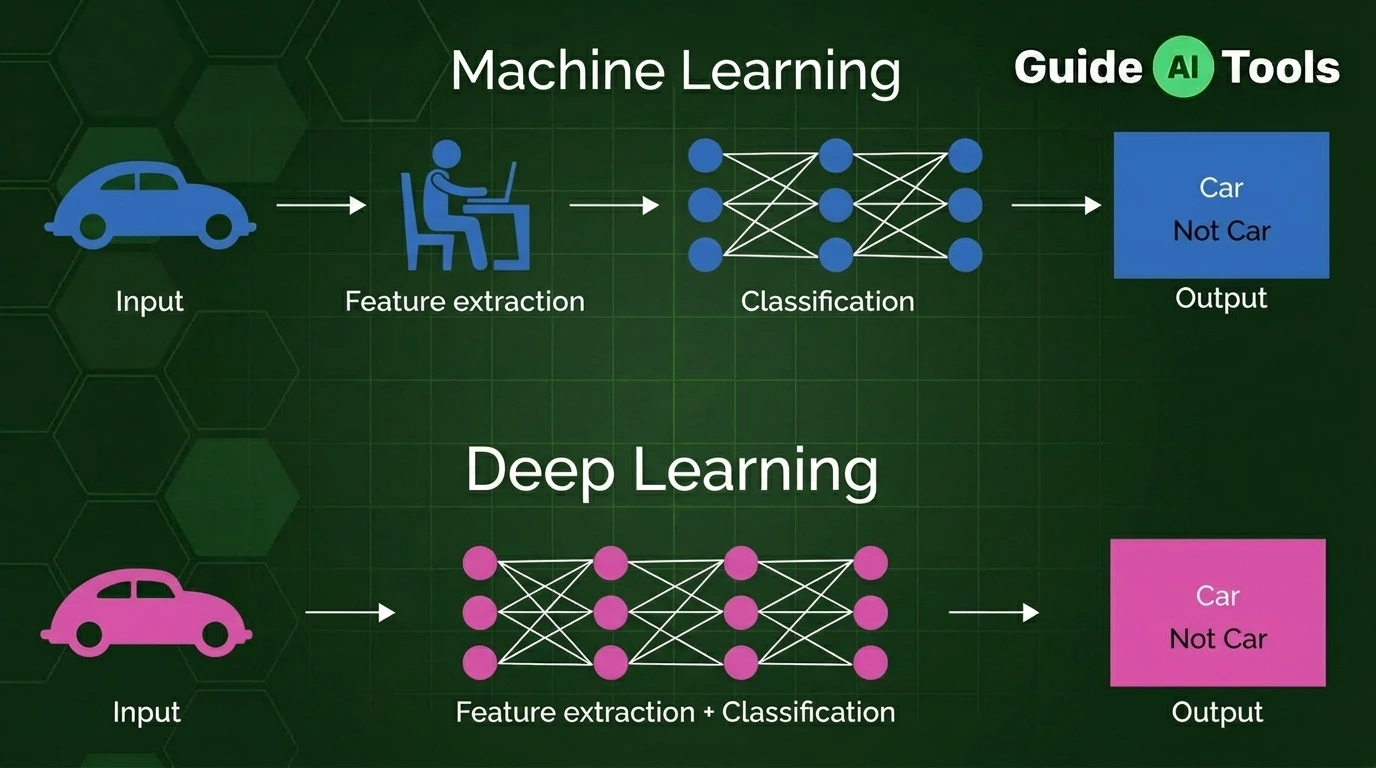
What Is Natural Language Processing (NLP) and How Does It Work?
Natural language processing, or NLP, is a branch of artificial intelligence that helps computers process, analyze, interpret and generate human language. It powers things you already use, including search engines, translation apps, spam filters, chatbots, voice assistants, writing tools and many of the language features built into modern AI systems.
The interesting part is that human language looks simple only to humans. A computer has to deal with grammar, context, slang, ambiguity, tone and words that change meaning depending on where they appear.
That is where NLP comes in.
Modern systems can classify text, extract names, translate sentences, summarize documents and generate responses. But NLP is not one model, one algorithm or another name for ChatGPT. It is a much broader field concerned with how computers work with human language.
What Is Natural Language Processing in Simple Terms?
Natural language processing is a field within artificial intelligence that focuses on language people naturally speak and write.
The word “natural” matters. Programming languages such as Python or Java follow strict rules. Human language does not.
We shorten sentences. We misspell words. We use sarcasm, slang and expressions that make little sense when taken literally.
Consider this sentence:
“That movie was sick.”
A person may instantly understand that “sick” could mean impressive rather than physically ill. A computer needs context before it can make the same distinction.
NLP gives software ways to convert language into representations that algorithms can process. Those systems can then identify patterns, classify information, extract facts or generate a response.
Think of NLP as a bridge between human language and machine processing.
It may help software decide whether an email is spam, identify a person’s name in a document, translate a paragraph or understand the intent behind a customer support message.
One common mistake is treating NLP like a single piece of software. It isn’t.
NLP includes many different techniques, models and tasks, ranging from basic text classification to modern language generation.
Is NLP Part of Artificial Intelligence?
Yes. Natural language processing is a branch of artificial intelligence focused on human language.
The relationship gets confusing because NLP frequently appears beside terms such as machine learning, deep learning, neural networks and large language models.
They are connected, but they are not interchangeable.
Early NLP systems often relied heavily on manually written linguistic rules. Later systems began using statistics and machine learning to learn patterns from data.
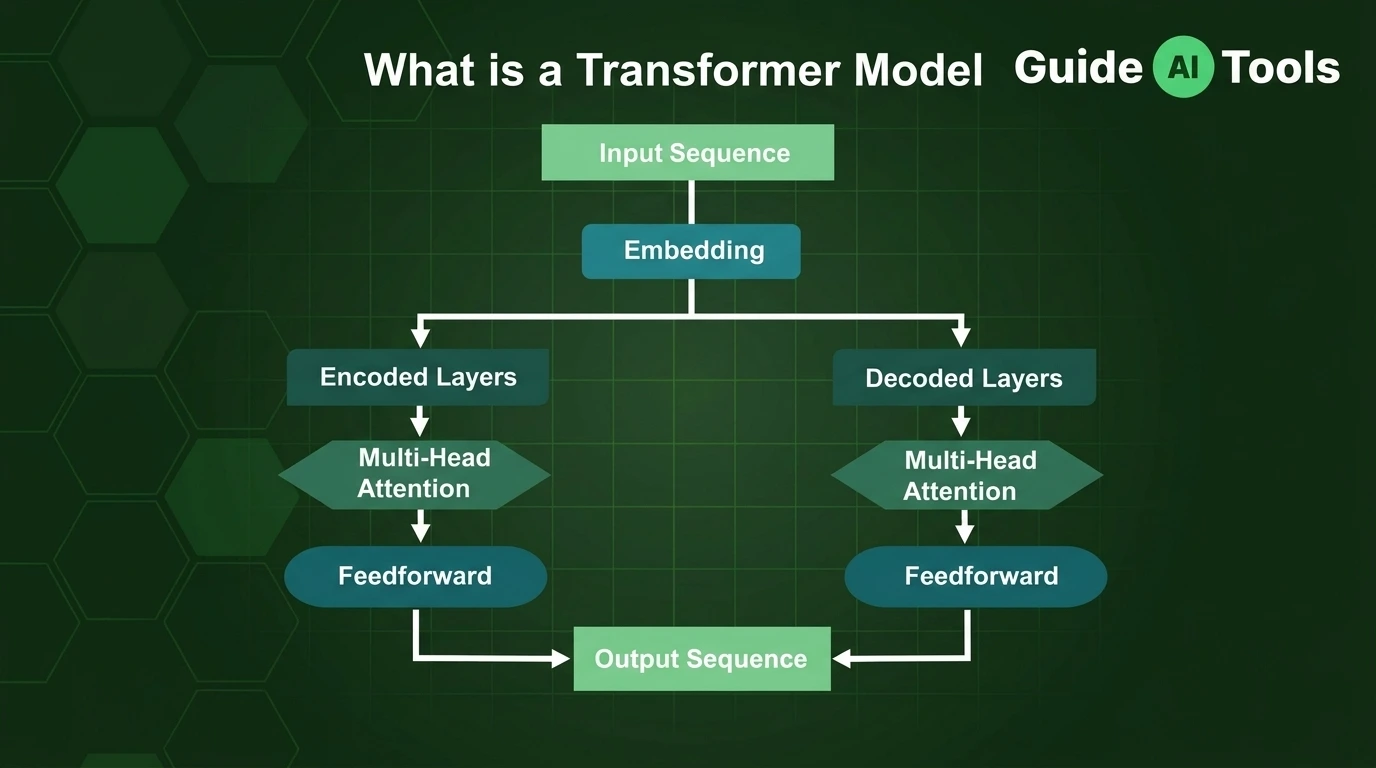
Modern NLP often uses deep learning, neural networks and transformer-based language models.
IBM describes NLP as combining computational linguistics with statistical modeling, machine learning and deep learning.
So, NLP defines the language problem being solved. Machine learning and deep learning are among the methods that can be used to solve it.
That distinction matters more than it first appears.
A spam detector, for example, performs an NLP task because it analyzes language. The system behind it may use manually written rules, a traditional machine learning classifier or a modern neural network.
How Does Natural Language Processing Work?
There is no single NLP pipeline that every system follows.
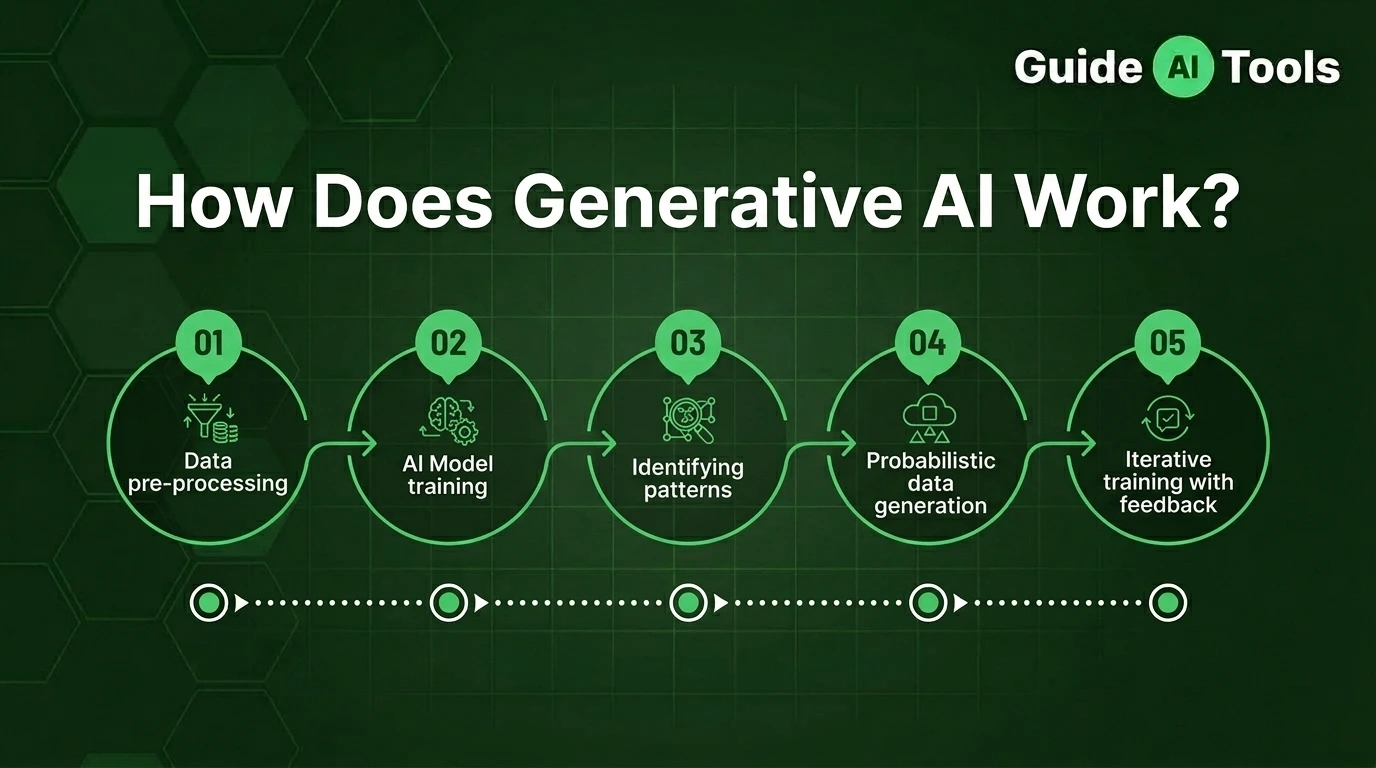
A sentiment classifier and a large language model may process language very differently. Still, a simplified workflow helps explain what happens between receiving language and producing an output.
Take this sentence:
“The delivery was late, but the support team was excellent.”
A useful simplified flow looks like this:
| Stage | What Happens |
|---|---|
| Language input | The system receives text or language converted from speech |
| Tokenization | The text is broken into smaller units |
| Representation | Words or tokens are converted into machine-readable numerical forms |
| Analysis | A model looks for patterns, relationships, entities, sentiment or intent |
| Output | The system returns a label, answer, translation, summary or another result |
1. The system receives language
The input might be a search query, email, review, support ticket, article, document or message.
Speech can also become input after a speech recognition system converts audio into text.
At this stage, the computer has language data. It has not necessarily understood what that language means.
2. The text is broken into smaller pieces
Many NLP systems divide text into smaller units called tokens.
A token might be a whole word, part of a word or another meaningful text unit depending on the model.
Older NLP pipelines may also clean or normalize text. They can adjust capitalization, reduce words to common forms or remove elements that are not useful for a particular task.
3. Language becomes numbers
Computers do not work directly with meaning in the way humans do.
Text needs a mathematical representation.
Traditional NLP systems have used approaches such as Bag of Words and TF-IDF. Modern systems often rely on learned vectors called embeddings, which can represent relationships between words or pieces of text.
This step lets algorithms compare and process language mathematically.
4. The system analyzes the language
Now the model can look for patterns.
In our example sentence, it might recognize that “delivery” is associated with negative sentiment because it was late, while “support team” is associated with positive sentiment because it was excellent.
That is more useful than simply marking the entire sentence as positive or negative.
5. The system produces a result
The final output depends on the task.
A sentiment tool may return a score. A translation system may produce another language. A chatbot may generate a reply. A search engine may decide which documents best match the query.
The exact mechanics vary, but the basic idea remains the same. Language is converted into a form a computer can analyze, then a model produces a useful result.
What Are the Main NLP Tasks?
NLP covers far more than chatbots.
Some tasks focus on understanding text. Others classify it, extract information or generate entirely new language.
| NLP Task | What It Does | Simple Example |
|---|---|---|
| Text classification | Assigns text to a category | Marking an email as spam |
| Sentiment analysis | Identifies opinion or emotional tone | Detecting a negative review |
| Named entity recognition | Finds specific entities in text | Identifying “London” as a location |
| Part-of-speech tagging | Labels grammatical roles | Recognizing a word as a verb |
| Machine translation | Converts one language into another | English to Spanish |
| Text summarization | Produces a shorter version of content | Turning a report into a short summary |
| Information extraction | Pulls structured facts from text | Extracting dates from invoices |
| Question answering | Finds or generates answers | Responding to a support question |
| Text generation | Produces new language | Drafting an email response |
Named entity recognition, often shortened to NER, is particularly useful when businesses need structure from messy text.
A system might scan thousands of documents and identify people, locations, companies, dates or product names.
Sentiment analysis solves a different problem. It tries to determine how someone feels about a product, experience or topic.
Same field. Different task.
That is why calling NLP one technology misses the bigger picture.
What Are Real-World Examples of NLP?
You probably interact with NLP several times a day without thinking about it.
Search engines use language processing to interpret what you mean, not just the exact characters you typed. A search such as “cheap headphones good for running” contains intent that goes beyond matching four isolated words.
Email systems use NLP for spam detection, categorization and suggested replies.
Writing tools can identify spelling mistakes, grammar problems and awkward wording. Autocomplete systems predict what you may type next.
Customer service platforms use language processing to categorize tickets, detect intent and route requests to the right team. More advanced systems can answer common questions directly.
Translation services analyze language in one form and generate equivalent text in another.
Document-processing systems can extract names, dates, account numbers, topics or other structured data from otherwise unstructured text.
Modern AI assistants perform several NLP-related tasks at once. They interpret prompts, work with context and generate language as a response.
The technology may look different in each case, but the common thread is software working with human language.
NLP vs NLU vs NLG: What’s the Difference?
NLP, NLU and NLG are closely related, which is why people often mix them up.
The easiest way to think about them is that NLP is the broader field, while NLU focuses on interpreting language and NLG focuses on producing it.
| Term | Full Name | Main Focus | Example |
|---|---|---|---|
| NLP | Natural Language Processing | Processing human language broadly | Analyzing customer reviews |
| NLU | Natural Language Understanding | Meaning, intent and context | Detecting what a customer wants |
| NLG | Natural Language Generation | Producing human-readable language | Writing a response |
Suppose someone tells a virtual assistant:
“Book me the cheapest flight to Rome next Friday.”
NLP covers the broader processing of that language.
NLU focuses on identifying the user’s intent and details such as Rome, Friday and the preference for the cheapest option.
NLG becomes relevant when the system produces a human-readable response.
The boundaries are not always perfectly clean, and different organizations may use these terms slightly differently.
Still, the umbrella model is useful for beginners.
NLP is broader. NLU interprets. NLG generates.
What’s the Difference Between NLP and an LLM?
Natural language processing and large language models are related, but NLP is not another name for an LLM.
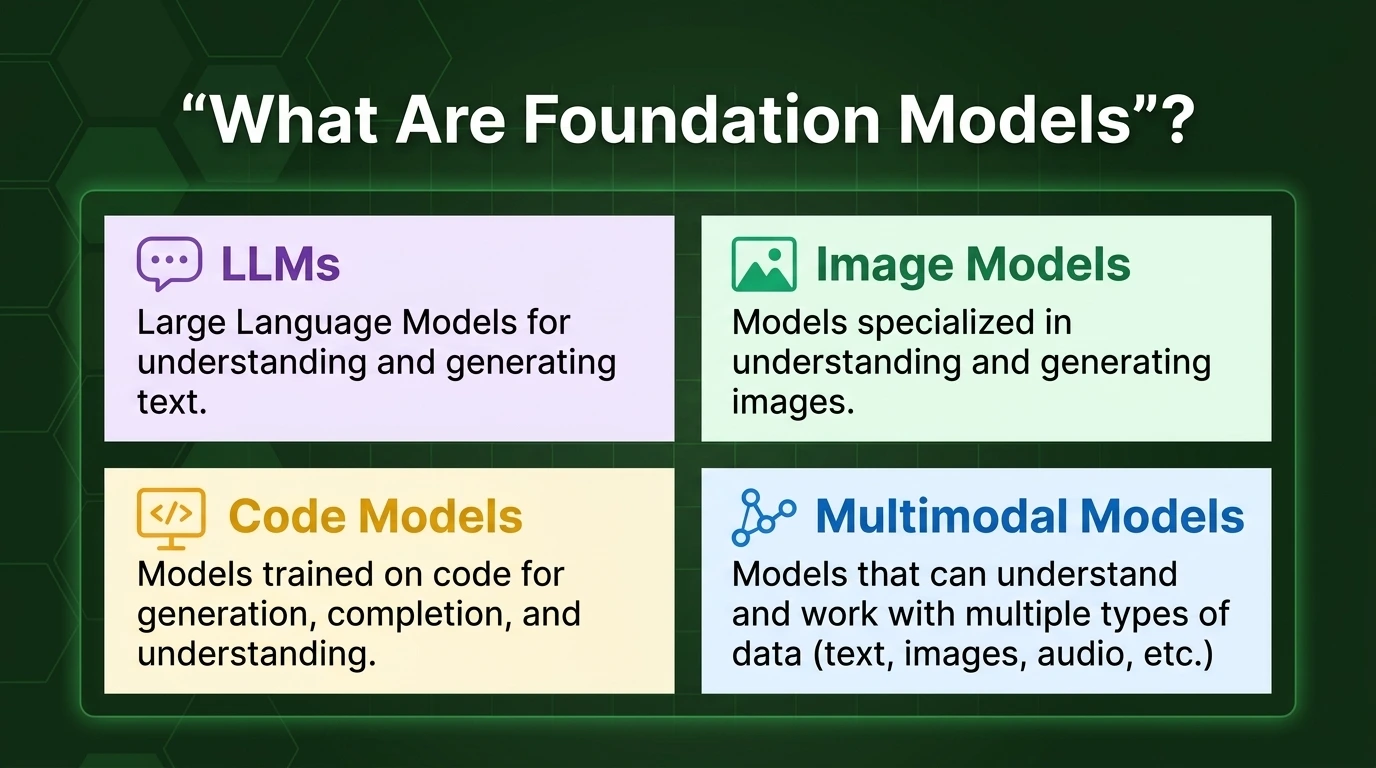
NLP is the broader area of computing concerned with processing human language. A large language model is a type of model that can perform many language tasks.
| NLP | Large Language Model |
|---|---|
| A broad field | A type of AI model |
| Includes rule-based, statistical and machine learning methods | Usually built with deep neural networks and transformer architectures |
| Covers classification, extraction, translation and generation | Can perform many of those tasks through one general model |
| Has existed for decades | Modern LLMs became prominent much later |
| Does not always generate text | Often predicts and generates language |
This distinction explains why saying “LLMs replaced NLP” does not make much sense.
They changed how many NLP problems are approached.
A company that once trained a separate classifier for each text task may now use a general language model for several tasks. But text classification, summarization, information extraction and question answering are still language-processing problems.
You can learn more about the model side in our guide to large language models.
How Has NLP Changed With Machine Learning and Transformers?
NLP did not begin with ChatGPT.
Earlier systems relied heavily on hand-written linguistic rules. Developers might define patterns for grammar, keywords or sentence structures and tell the software what to do when those patterns appeared.
Then statistical NLP became much more common.
Instead of describing every rule manually, developers could train models on text data. Techniques such as n-grams, TF-IDF and traditional machine learning classifiers helped computers recognize patterns more flexibly.
Deep learning changed the approach again.
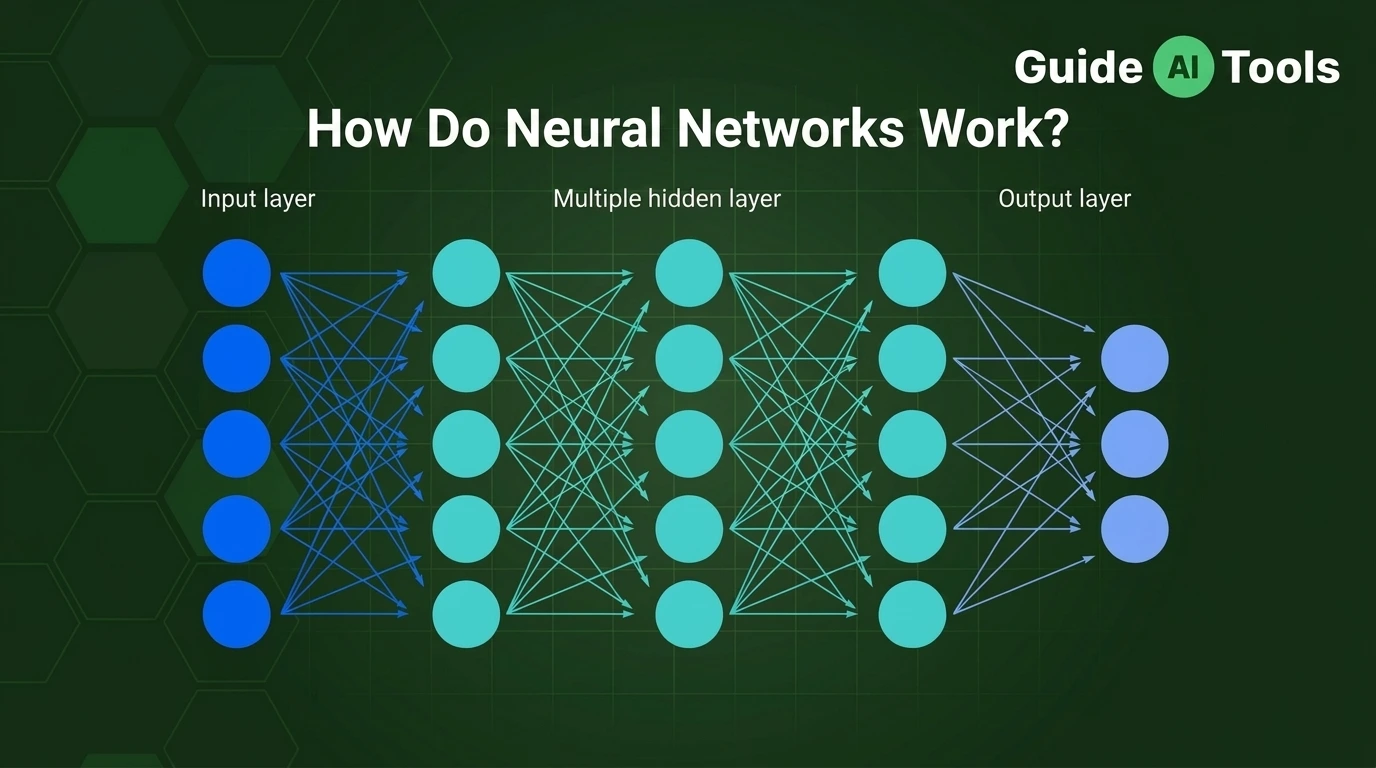
Neural networks allowed models to learn richer representations of language. Architectures such as recurrent neural networks and LSTMs became common for language tasks.
Then transformers pushed NLP much further.
Transformer models can analyze relationships between words across longer stretches of text and learn contextual representations at scale. Models such as BERT showed how useful this approach could be for understanding text, while GPT-style systems became known for language generation.
That progress also helped fuel generative AI.
But the older methods did not suddenly become useless. A simple classification problem may still be solved efficiently without a massive language model.
Bigger isn’t automatically better.
Why Is Human Language Difficult for Computers?
Human language is messy because meaning rarely comes from words alone.
Consider:
“I saw her duck.”
Did someone see a woman lower her head?
Or did they see the duck that belongs to her?
Both readings are grammatically possible.
Context solves these problems for people almost without effort. Computers have to infer that context from patterns in data.
Sarcasm creates another problem.
“Fantastic. My flight was cancelled again.”
The word “fantastic” looks positive. The actual sentiment is negative.
Slang changes meaning too.
Calling a phone “sick” may be praise. Saying a person is sick usually means something else.
Then there are idioms such as “break a leg,” regional expressions, spelling mistakes, abbreviations and words that develop new meanings over time.
Languages also differ in grammar, writing systems and available training data.
A model trained heavily on English may not perform equally well on a language with less digital text, fewer labeled datasets or fewer high-quality training resources.
Understanding words is not enough. Context changes everything.
What Are the Limitations of NLP?
NLP systems can be remarkably capable, but fluent output should not be confused with perfect understanding.
A model may misread sarcasm, fail to resolve an ambiguous sentence or misunderstand language that differs from its training data.
Domain vocabulary creates problems too. Medical, legal and technical language can use familiar words in highly specific ways.
Bias is another concern.
Models learn from data created by people, organizations and online communities. Patterns and imbalances in that data can appear in the model’s outputs.
Language coverage also varies.
Some languages have enormous digital datasets, research communities and evaluation benchmarks. Others have far fewer resources.
Generative systems introduce another issue. A model can produce a sentence that sounds confident and grammatically polished while the information itself is wrong.
Privacy deserves attention as well. Text may contain names, financial information, health details or other sensitive data, so organizations need to think carefully about how language data is collected, processed and stored.
And when speech is involved, errors can compound.
If speech recognition transcribes the wrong word, the NLP system that receives that transcription starts with bad input.
Where Is NLP Used Today?
NLP appears across consumer products and professional software.
| Area | Common NLP Use |
|---|---|
| Customer service | Chatbots, ticket routing and intent detection |
| Healthcare | Clinical text extraction and document analysis |
| Finance | Document classification and text analysis |
| Legal | Search, extraction and document organization |
| Marketing | Review and customer sentiment analysis |
| Search | Query interpretation and semantic matching |
| Education | Language feedback and tutoring systems |
| E-commerce | Conversational search and review analysis |
Customer support is one of the clearest examples.
A company may receive thousands of messages such as refund requests, account problems, payment questions and technical complaints. NLP can help classify those messages before a human ever reads them.
Search is another huge area.
Modern search systems need to understand relationships between concepts, spelling variations and user intent. Exact keyword matching alone is often not enough.
NLP also appears in specialized software built for speech recognition, document analysis, research and content creation.
Natural Language Processing Examples at a Glance
Here is the short version.
| What You Do | NLP Task Behind It |
|---|---|
| Search using a full question | Query understanding |
| Translate a webpage | Machine translation |
| Ask a chatbot something | Language understanding and generation |
| Have spam removed from your inbox | Text classification |
| Get an autocorrect suggestion | Language modeling |
| Summarize a long document | Text summarization |
| Analyze hundreds of reviews | Sentiment analysis |
| Pull company names from documents | Named entity recognition |
These examples look very different on the surface.
Underneath, they all involve software processing language to identify patterns, extract meaning or produce useful text.
FAQs
Is NLP the same as AI?
No. AI is the broader field concerned with creating systems that perform tasks associated with intelligence.
NLP is one part of AI, specifically focused on processing and generating human language.
Is NLP machine learning?
Not exactly.
Machine learning is widely used in modern NLP, but NLP can also involve linguistic rules, statistical methods and other approaches. Machine learning is a method. NLP is a problem area focused on language.
Does ChatGPT use NLP?
Yes. ChatGPT performs many tasks associated with natural language processing, including question answering, summarization, language generation and text transformation.
But ChatGPT itself is a large language model. It is not another name for NLP.
Can NLP understand spoken language?
Yes, but there is an extra step.
Speech recognition normally converts audio into text or another machine-readable representation. NLP techniques can then help interpret the language, identify intent or generate a response.
What is the difference between NLP and NLU?
NLP is the broader field of processing human language.
Natural language understanding, or NLU, focuses more specifically on meaning, context and intent. NLU can be viewed as one area within the broader NLP field.
Is NLP only used for English?
No.
NLP can work with many languages, but performance depends heavily on available data, model training and language-specific resources. Languages with limited high-quality digital datasets may receive weaker support than heavily researched languages such as English.
Is NLP still relevant now that LLMs exist?
Yes.
Large language models can perform many NLP tasks, but they are models within a much broader field. Classification, information extraction, translation, sentiment analysis and language understanding are still NLP problems even when an LLM handles them.
What programming languages are used for NLP?
Python is widely used because it has established libraries and frameworks such as NLTK, spaCy, Hugging Face, TensorFlow and PyTorch.
NLP is not limited to Python, though. The underlying models and services can be used from many programming languages through libraries and APIs.
Where NLP Fits in Modern AI
Natural language processing solves one of AI’s hardest long-running problems: helping machines work with the way people actually communicate.
The field has moved from hand-written rules to statistical learning, neural networks and powerful language models, but the core problem has not changed. Human language is full of context, ambiguity and exceptions.
That is exactly why NLP still matters.
If you want to see the bigger picture, start with what artificial intelligence is, then explore how machine learning works and how modern language models build on those ideas.
For an academic definition of the field, Stanford HAI’s explanation of natural language processing is also a useful reference.

Related Blog Posts